Monday, June 7, 2010

Château Grand-Puy-Lacoste (Pauillac) 2004

The origins of Grand-Puy-Lacoste, as well as that of its twin Grand-Puy-Ducasse, lie in a single estate that existed in the northern parts of the commune around Pauillac in the Middle Ages. The Grand Puy, puy being another of the seemingly endless litany of words which refer to a hill or mound, lies a few kilometres inland of the town of Pauillac. Dejean was a fairly wealthy landowner, buying and selling land; he owned the nearby Lynch-Bages as well as the vineyards on the Grand Puy. In 1750 he sold some of the latter vineyards to Pierre Ducasse, and common sense would suggest that this was the origin of Grand-Puy-Ducasse. What remained with the family, subsequently inherited by one of his daughters, was the origin of Grand-Puy-Lacoste.

The estate incorporated the Grand Puy, one of the many gravel croupes which are a feature of the Haut-Médoc, and which often provide the perfect terroir for Cabernet, and as a consequence they have an association with many of the greatest estates of the region. The vineyards now cover 55 hectares of the Pauillac commune, lying across two of the all important gravel croupes. The vines are predominantly Cabernet Sauvignon, accounting for 75%, the remainder Merlot, planted at a density of 10000 vines/ha, and with an average age of 40 years. As might be expected, harvest is manual, the fruit destemmed and then fermented in temperature-controlled stainless-steel where it remains for up to three weeks before going into oak for up to twenty months. Of this, up to 40% will be new wood each vintage.

The grand vin is Chateau Grand-Puy-Lacoste, of which there are up to 18000 cases per annum, and there is a second wine, Lacoste-Borie.

2004
A densely packed nose, full of sweet raspberry coulis, bright, vibrant and attractive. Nice flesh on the palate, with stony raspberry fruit and a little touch of greenness, well framed by the acidity. Good, slightly tarry tannins.

2009
Cabernet Sauvignon 80%, Merlot 18%, Cabernet Franc 2%. 70% new oak. Yield 44 hl/ha. Vibrant hue, cherry red core, and a bright pink-red rim. Dark and characterful fruit on the nose, full of Pauillac spice, with a crystalline tinge to the plum and cherry fruit. Beautiful texture on entry, it has the vibrant fruit of a cooler vintage than this, with a supple and elegant texture. Very well integrated and cottony-silky tannins, gently coating the mouth, together with lots of fresh acidity. Lovely fruit, but with fine structure for the future. Substantial finish with a good length.

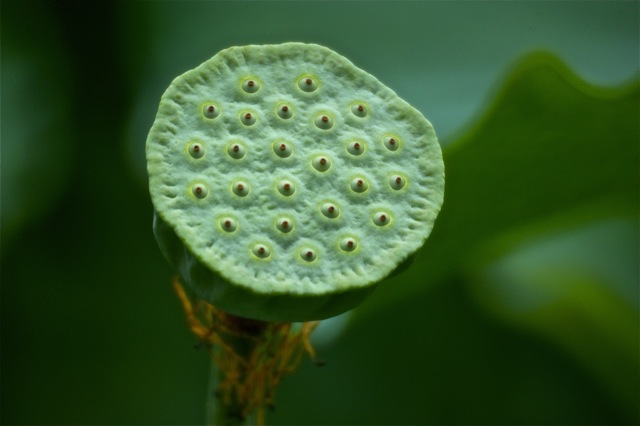
Lotus - by the 800mm reflective lense

Lotus, is a plant in the Nelumbonaceae family. It is the national flower of India and Vietnam.

This plant is an aquatic perennial. Under favorable circumstances its seeds may remain viable for many years, with the oldest recorded lotus germination being from that of seeds 1300 years old recovered from a dry lakebed in northeastern China.

A common misconception is referring to the lotus as a waterlily (Nymphaea), an entirely different plant as can be seen from the center of the flower, which clearly lacks the structure that goes on to form the distinctive circular seed pod in the Nelumbo nucifera. Waterlilies come in various colors, whereas the lotus has flowers only in hues of pink, or white.
Source -- "Wikipedia"


Single Exposure
Open or Not Open


Green Dance


Night Dance


Close Up


Multi-Exposure
Super Depth of Field


Dancing Pink

Monday, May 17, 2010

Perspective

Cheung Chau Island- one week before the Bun Festival

Circle + Square


Yellow / Red


Clown and child


Details in shadow


West meet East

Monday, April 12, 2010

學問 ` 文章

世事洞明皆學問,
人情練達即文章.
- 曹雪芹

Tuesday, March 23, 2010

不讀

少不看水滸,老不看三國,男不看紅樓,女不看西廂。

少看不透三國,老看不重水滸,女不願看紅樓,男不要看西廂。

Friday, March 19, 2010

桃花庵歌


桃花塢裏桃花庵
桃花仙人種桃樹
又摘桃花換酒錢
酒醒只在花前坐
酒醉還來月下眠
半醒半醉日復日
花落花開年復年
但願老死花酒間
不願鞠躬車馬前
車塵馬足貴者趣
酒盞花枝貧者緣
若將富貴比貧者
一在平地一在天
別人笑我忒瘋顛
我笑他人看不穿
不見五陵豪傑墓
無花無酒鋤作田
-- 唐寅

Monday, March 15, 2010

Market Maker 莊家

收集(一)
打樁 - 低位收集
  1. 低位徘徊 - 只要價格稍為升高, 便會發出沽盤直至掃清所有買盤.
  2. 質價 - 然後開低幾個價位再將股價壓低直到目標價為止.
  3. 收集貨源到一定數量以後便待相關公司的好消息流傳.

收成 / 派發
搭棚, 挾倉 - 買入假象
  1. 利用不同經紀號碼, 在上下若干價位掛上買盤.
  2. 通常只掛而不成交, 或是買賣相方都是關連公司.
  3. 由於手上已持有一定數量的股票, 所以街外的貨源相當貧乏, 此時便可操控股價. 例如以少量多單方式跳價買入, 把股價以裂口跳升的形式炒高, 然後趁機派發.
  4. 因此實質買入都是一般散戶


收集(二)
餘貨放售 - 震倉, 縮盤
  1. 當股價已升到一定情度, 加上先前收集的存貨差不得完成派發, 便一次過把所有餘貨傾售. 甚或進一步壓低股價以便下次收集.
  2. 震倉通常在收市前進行, 壞消息加上短時間內大量沽盤, 把收市價盡量壓低, 造成高開低收或倒跌收市的現象. 散戶或當天止蝕, 或第二天一早開市便沽貨離場.
  3. 首先將大量的限價買盤放在買家欄內, 然後待足夠的散戶在沽盤欄內排隊時, 就突然取消所有先前掛入的限價盤. 散戶若心生害怕, 便會把原來售價調低, 此時買家便可以低價買入目標股票.

衍生市場
[嘜高 / 低]
為了要在衍生市場內賺錢, 便會刻意在現貨市場內[嘜高] 或 [嘜低] 現貨價, 營造出希望的升勢或跌勢.